Musty Smell After Rain: Could It Be a Hidden Leak?
In Southwest Florida, musty smells are part of life. Heavy rain soaks everything, humidity hangs in the air, and homes smell damp for a day or two. Most of the time, that is all it is.
But sometimes the rain is only revealing a problem that was already there. A slow pipe leak inside a wall creates a damp cavity where mold and mildew grow quietly for months. You never notice it until a rainstorm raises the humidity and the smell blooms. This guide shows how to tell the difference and what to check before calling for hidden water leak detection.
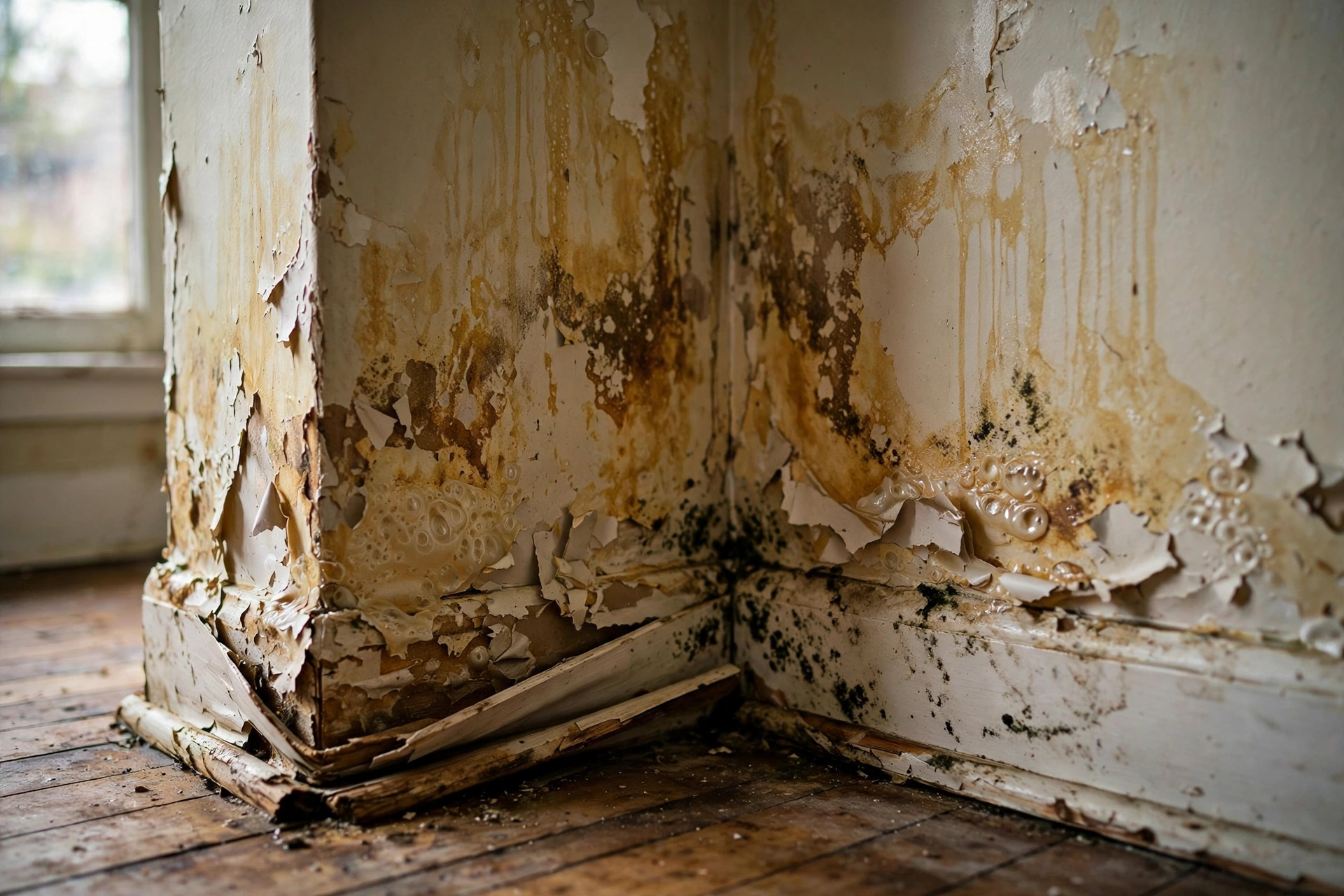
Why rain makes hidden leaks smell worse
A hidden leak keeps a wall cavity, subfloor, or ceiling space damp around the clock. Mold and mildew grow in that dampness, but in dry weather the smell stays faint and trapped. When rain arrives, two things change: outdoor humidity rises, which carries odors further, and any rainwater finding its way into the same cavity adds fresh moisture to the colony.
The result is a smell that seems to appear with the storm and fade after it. Homeowners naturally blame the rain. But the rain did not create the dampness inside the wall. It only made it noticeable. That distinction matters, because humidity dries out on its own while a plumbing leak does not.
How to tell a rain problem from a plumbing leak
Run the timing test first. Note when the smell appears and when it fades. A humidity or rain-intrusion smell follows the weather closely: strong during and right after rain, gone within a day or two of dry, sunny weather. A plumbing leak smell ignores the forecast. It is there on dry Tuesdays just as much as during storms, because the pipe leaks every day.
Next, map the location. Rain problems show up near the building envelope: exterior walls, windows, roof lines, and anywhere gutters overflow. Plumbing leaks cluster near water sources: bathrooms, kitchens, laundry rooms, and the walls that back onto them. A musty smell in a hallway with no plumbing nearby points to rain or roof issues. A musty smell in the wall behind a shower points to plumbing.
Finally, check the obvious rain paths before suspecting pipes. Overflowing gutters, missing roof shingles, and failed window seals let rainwater in directly, and they are cheaper problems than a hidden pipe leak. If the building envelope checks out and the smell persists in dry weather, run the water meter test: a moving meter with everything off confirms water is escaping from your plumbing.
Common hidden leak sources behind musty smells
When the smell does trace back to plumbing, these are the usual suspects in Fort Myers homes:
- Shower pan or tile grout failure. Water seeps behind shower walls with every use, soaking the wall cavity. The smell concentrates in and around the bathroom.
- Toilet wax ring failure. A failing seal lets water seep under the toilet with each flush, rotting the subfloor silently. The smell hugs the floor around the base.
- Supply line pinholes inside walls. Aging copper develops pinhole leaks that mist water into the wall cavity. There may be no visible stain for months, only the smell.
- AC condensate drain clogs. In Florida's climate the air conditioner pulls gallons of moisture from the air daily. When its drain line clogs, water backs up into walls or ceilings, and the resulting mustiness gets blamed on the weather. If the smell is strongest near the air handler or its drain path, check this first.
See signs of a hidden water leak for the full checklist of what to look and listen for.
What to do if you suspect a hidden leak
Do not just mask the smell. Air fresheners and dehumidifiers treat the symptom while the leak keeps feeding the dampness, and the damage compounds quietly: rotted framing, ruined drywall, and mold spreading through the cavity.
Start with the meter test. It takes 15 minutes and tells you whether your plumbing is losing water at all. If the meter is still, the problem is almost certainly rain, humidity, or condensation, and you can focus on ventilation, gutters, and the AC drain.
If the meter moves, stop guessing at the location. Hidden leaks require acoustic listening, thermal imaging, and moisture mapping to pinpoint without opening walls at random. That is exactly what professional hidden water leak detection does: find the source from the surface, mark it precisely, and hand you a repair plan.
Frequently asked questions
Why does my house smell musty only when it rains?
Rain raises humidity, which carries odors further and feeds any existing dampness. If the smell fades within a day or two of dry weather, it is likely just humidity. If it lingers, something inside is staying wet, and a hidden leak is the prime suspect.
Can a hidden water leak cause a musty smell?
Yes. A slow leak inside a wall, floor, or ceiling keeps the cavity damp around the clock, and mold and mildew grow in that dampness. The musty odor is often the first and only symptom, appearing months before any visible stain.
How do I find where the musty smell is coming from?
Close the room up for a few hours, then enter and sniff at floor, wall, and ceiling level separately. Check inside closets and behind furniture on exterior and plumbing walls. The strongest point is usually closest to the source. A moisture meter from a hardware store can confirm damp drywall.
Will the smell go away on its own?
Humidity smells fade when the weather dries out. Leak smells do not, because the pipe keeps leaking every day regardless of weather. If the musty smell survives a stretch of dry, sunny days, it will not resolve without finding the moisture source.
Should I run the water meter test for a musty smell?
Yes, it is the fastest way to rule plumbing in or out. Turn off everything, watch the meter's leak indicator for 15 minutes, and a moving meter confirms water is escaping. A still meter points you back toward rain, humidity, or the AC condensate drain.
Is a musty smell an emergency?
Not usually, but it should not be ignored for months either. A small hidden leak gets worse over time, and the water damage spreads. If the smell is getting stronger, or you find soft drywall or visible mold, move it up the priority list.